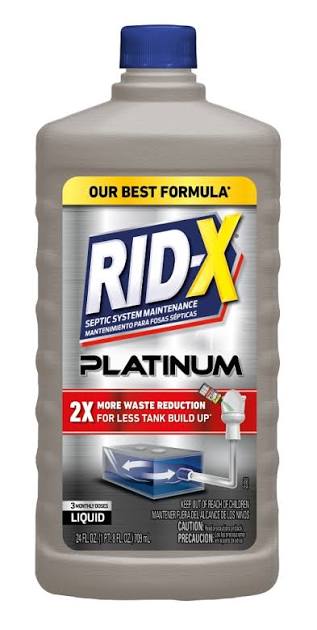
RID-X at a Glance
RID-X is a well-known name in septic system maintenance, built around a bacteria-and-enzyme formula designed to help break down household waste in the tank.
Before going further: RID-X is a legitimate, established product from a major consumer brand. Nothing below is meant to suggest otherwise — it's simply a look at where it fits today.
Established Strengths
- Established, well-known brand
- Easy to find in stores
- Straightforward application
- Monthly-use formulations
- Bacteria + enzymes targeted at organic waste breakdown
Worth Keeping in Mind
- Represents a traditional treatment approach
- Septic additives don't replace inspection or pumping
- Follow local guidance for your specific system
What Is RID-X?
RID-X is a septic system maintenance product marketed for regular use in residential septic tanks. It's positioned as a way to support the tank's natural breakdown of household waste, using a combination of bacteria and enzymes rather than a single active ingredient.
Formulations are typically designed for monthly use, and RID-X is sold in liquid, powder, or pack formats depending on the specific product line — availability can vary by retailer and region.
How RID-X Works
RID-X relies on a combination of bacteria and enzymes to help process organic waste inside the septic tank. According to product information, formulations can include enzymes such as amylase, cellulase, and protease, depending on the specific version.
In simple terms, different enzymes are generally associated with breaking down different types of organic material — starches, fibers, and proteins, respectively. This is a description of how the ingredient category is commonly understood, not a claim of a guaranteed outcome for any individual system.
RID-X: Pros and Considerations
Pros
- Established brand
- Straightforward monthly maintenance
- Easy application
- Bacteria-and-enzyme approach
- Widely available
Considerations
- A traditional approach rather than a fundamentally different delivery mechanism
- Maintenance products shouldn't be viewed as substitutes for inspections or pumping
- Septic systems vary — local guidance matters
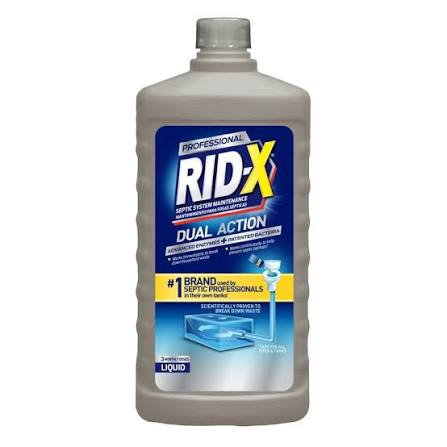
RID-X's professional-grade Dual Action formula.
But Has Septic Treatment Changed?
RID-X helped popularize the familiar bacteria-and-enzyme approach to septic maintenance. But while researching the category in 2026, we found newer products taking a different approach — not simply changing the brand or packaging, but changing how the treatment is delivered inside the tank.
One product in particular stood out: Septifix.
Septifix: A Different Approach to Septic Treatment
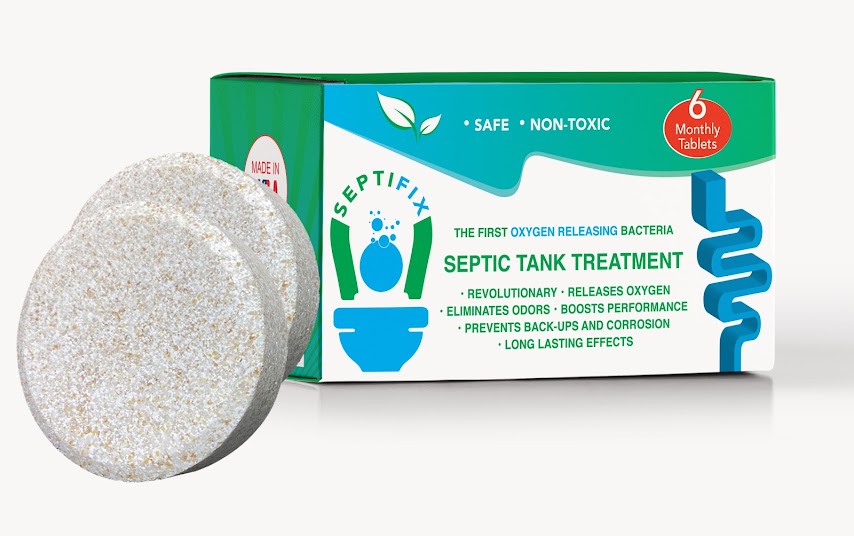
According to the manufacturer, Septifix uses pre-measured tablets containing aerobic bacteria, oxygen-releasing compounds, and pH-regulating compounds. The manufacturer states that the tablets release oxygen while they dissolve in the tank.
These are manufacturer claims about the product's design and intended function — we're presenting them as such, not as independently verified outcomes.
Why Septifix Caught Our Attention
It wasn't simply that Septifix is newer. It was that its proposal is structurally different from the traditional approach.
Pre-Measured Tablet Format
A consistent, pre-measured dose designed for practical, repeatable application.
Oxygen-Releasing Approach
According to the manufacturer, the tablet releases oxygen as it dissolves in the tank.
Aerobic Bacteria
According to the manufacturer, the formula uses several strains of aerobic bacteria.
pH-Regulating Compounds
The formulation is positioned to also influence the tank's internal environment, per the manufacturer.
Different, Rather Than Just Another Enzyme Product
This is the core of our thinking: Septifix isn't positioned as "another RID-X" — it's a different mechanism for a familiar problem.
Curious About Septifix's Approach?
Learn More About SeptifixSee the full formula and current offer on the official site.
RID-X vs Septifix: Side-by-Side
| Feature | RID-X | Septifix |
|---|---|---|
| Brand Positioning | Established mainstream septic treatment | Newer direct-to-consumer alternative |
| Core Approach | Bacteria + enzymes | Aerobic bacteria + oxygen-releasing and pH-regulating compounds, according to manufacturer |
| Format | Powder, liquid, or maintenance packs depending on product | Pre-measured tablet |
| Frequency | Common formulations designed for monthly use | Follow manufacturer directions based on tank/application requirements |
| Main Strength | Familiarity and established approach | Different oxygen-releasing tablet approach |
| Availability | Widely available through retailers | Available through its official online offer |
| Our 2026 Preference | Good traditional option | Our Pick |
Ready to Check Septifix's Current Offer?
Check Current Septifix OfferPricing and availability are set by the manufacturer and may change.
A Reality Check Every Septic-System Owner Should Know
Proper septic maintenance still comes first. Additives such as RID-X and Septifix should be viewed as optional maintenance products, not replacements for inspection, pumping when required, or professional service. U.S. EPA guidance notes that properly functioning residential systems already contain the microorganisms necessary for normal operation — additives are a maintenance tool, not a requirement.
If your system shows signs of failure — backups, standing wastewater, persistent odors, or drainage problems — consult a qualified septic professional rather than relying only on an additive.Who Should Consider Each Option?
Who Should Consider RID-X
- Prefers a widely known, established brand
- Wants a conventional maintenance product
- Already follows a bacteria/enzyme-based routine
- Prefers buying through traditional retail stores
Who Should Consider Septifix
- Comparing newer alternatives in the category
- Prefers a pre-measured tablet format
- Interested in a formula that, per the manufacturer, combines aerobic bacteria with oxygen release
- Wants to try an approach different from the conventional bacteria-and-enzyme formula
Neither product is a fit for absolutely everyone — the right choice depends on your system, your routine, and your own preferences.
Our Pick for 2026: Septifix
RID-X remains an established and legitimate option within the category. We're not saying RID-X "stopped working" or that it should be avoided.
RID-X remains a sensible choice for homeowners who prefer a familiar bacteria-and-enzyme treatment. Our preference shifts to Septifix because its pre-measured tablet format and oxygen-releasing approach offer a more differentiated way to approach routine septic maintenance — combining aerobic bacteria, oxygen release, and pH-regulating compounds in a single, consistent dose rather than relying solely on the more conventional bacteria-and-enzyme approach.
Check Septifix on the Official Website
Check Septifix on the Official WebsitePricing and availability are set by the manufacturer and may change.
Frequently Asked Questions
Is RID-X still worth considering in 2026?
Yes. RID-X remains an established, widely available bacteria-and-enzyme septic treatment and a reasonable choice for homeowners who prefer a familiar, traditional maintenance product. It's simply a more conventional approach compared to newer tablet-based formats.
What is the main difference between RID-X and Septifix?
RID-X uses a traditional bacteria-and-enzyme approach in liquid or powder form. Septifix, according to the manufacturer, uses a pre-measured tablet that combines aerobic bacteria with oxygen-releasing and pH-regulating compounds — a different delivery format rather than simply a different brand of the same approach.
Does Septifix replace septic tank pumping?
No. It should not be presented as a replacement for inspection or pumping when required. Septic additives, including Septifix and RID-X, are maintenance products, not substitutes for professional septic service.
How often should a septic system be inspected?
It depends on the system and local guidelines. Most residential systems benefit from inspection every one to three years, with pumping frequency depending on household size and tank capacity. Following professional and local guidance is the safest approach.
Are septic tank additives required?
According to U.S. EPA guidance, properly functioning residential septic systems already contain the microorganisms necessary for normal operation, and additives are not considered necessary for a system to function. Products like RID-X and Septifix are marketed as maintenance tools, not requirements.
Where can Septifix be purchased?
Septifix is available through its official online offer rather than typical retail stores.